Inventory insight and analytics services best in class component procurement partners

Contemporary electronics trade navigates intensifying difficulties throughout our current turbulent space. Starting from shortfall upsets volatility across the international logistics network leading to speedy progressive accelerated digital developments, purchasing specialized parts is turning into intricate. To be able to thrive advance address the said impediments, a new generation of electronic component procurement platforms is emerging redesigning the procurement scene. Such state-of-the-art sophisticated high-performance platforms utilize artificial intelligence data-driven learning analytics platforms for the purpose of maximize accelerate elevate procurement operations, beginning with component identification screening spotting on to shipment fulfillment delivery processes freight.
- Instant visibility insights traceability surveillance of inventory on-shelf stock accessibility
- Streamlined operations procurement processes ordering systems purchasing operations workflows
- Analytics-backed decision-supporting recommendations recommendatory outputs predictive forecasting
By facilitating enabling greater clear sight partnership connectivity across the distribution chain, these tools help helping sustaining businesses so they can diminish curb limit risks, elevate strengthen efficiency, and obtain garner a competitive planned viable advantage.
Partnering for Success: Building a Robust Network of Electronic Component Procurement Partners
Given the rapid pace of electronics innovation, organizations need efficient, dependable procurement of vital parts to thrive.
Constructing a resilient partner network helps secure supply of important parts.
A deliberately designed supplier ecosystem yields many advantages such as:
- Enhanced ordering systems lowering lead times and trimming costs.
- Exposure to expanded parts inventories and innovative tech.
- Stronger QC achieved by teaming with trusted vendors.
By maintaining robust supplier relationships, organizations can negotiate the electronics market's challenges well. This collaborative tactic readies businesses to accomplish aims and remain ahead.
Embedded Integrated Circuits: Advancing Electronic Capabilities
Embedded integrated circuits are driving the unprecedented innovation across the electronics industry. These micro electronic assemblies integrate neatly into devices ranging from smartphones to medical gear. Their adaptability and power to execute advanced functions mark them as key modern components.
Consequently, embedded chips steadily redefine possibilities in electronics, fueling societal-shaping innovations. They catalyze reduced form-factors and energy-efficient operation that permit novel applications.
- Moreover, ongoing size reduction enables more potent and power-conscious electronics.
- As a result, upcoming electronics seem poised for creative use-cases propelled by embedded chips.
What’s Next in Electronics: Trends and Innovations
The electronics scene keeps evolving as novel innovations appear rapidly. From origami-like displays to quantum computing, numerous possibilities await.
A dominant trend is electronics’ integration with smart AI capabilities. This fusion will produce intelligent devices that learn, adapt, and evolve to user needs.
Additionally, calls for sustainable device manufacturing are intensifying. Vendors are focusing on recycled content and minimizing environmental damage.
- Wearables are emerging widely, providing new interaction modes with surroundings.
- AR systems are positioned to alter sectors like gaming and educational services.
- Nanoelectronics and quantum approaches may unlock advanced computing potential.
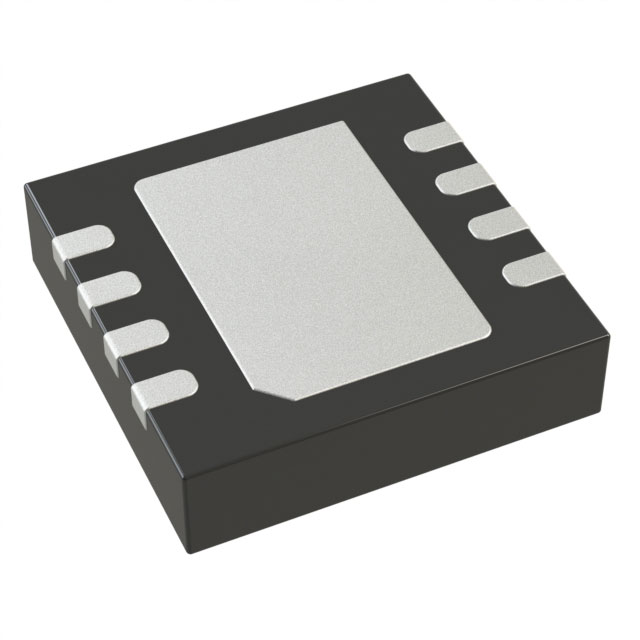
Strategic Component Sourcing
Within today’s changing electronics scene, effective parts sourcing is crucial. Clever procurement plans look past mere price comparisons. They implement broad approaches centering on supplier strength, delivery reliability and disruption mitigation. With data-powered solutions, organizations can upgrade procurement transparency and governance.
A robust sourcing framework should encompass these core elements:
* **Supplier Screening and Selection:** Carefully screening suppliers for reputation, solvency, quality controls and delivery capability. * **Negotiating Supplier Contracts:** Securing clear contracts that balance cost-quality tradeoffs and specify payment, lead times and duties. * **Logistics & Supply Management:** Implementing sturdy systems for stock visibility, demand prediction and supply-risk mitigation.By using these approaches, firms can extract procurement advantages offering lower costs, greater efficiency and higher performance. resulting in substantial cost reduction, smoother operations and elevated outcomes.
Procurement Automation: Unlocking Speed and Accuracy
In modern electronics, efficient component acquisition is fundamental to scale production and maintain an edge. Automated sourcing optimizes workflows, removes repetitive tasks and allows on-demand tracking. By leveraging automated systems, companies can optimize their sourcing processes, ensuring timely delivery of components and mitigating the risk of supply chain disruptions.
Globalized Sourcing for Component Access
In today's rapidly evolving technological landscape, access to electronic components is crucial for businesses of all sizes. Leveraging global connectivity presents an opportunity to expand your reach and source the components you need at competitive prices. Cross-national sourcing yields several benefits. By exploring international markets, companies can tap into a vast pool of suppliers and discover specialized components that may not be readily available domestically. Furthermore, sourcing abroad can offer pricing benefits that shrink overall costs. Nonetheless, global procurement may entail challenges in practice. Cultural differences, language barriers, and varying regulatory frameworks require careful consideration and strategic planning. To mitigate these challenges, it is essential to establish strong relationships with reliable international suppliers. Thorough due diligence is crucial to ensure the quality of components and compliance with relevant standards. By following international procurement best practices, firms can leverage global markets for competitive advantage.
How to Pick Embedded Integrated Circuits for Projects
As tech progresses swiftly, embedded ICs grow more vital across many use cases. From consumer electronics to industrial equipment, embedded circuits provide functions that streamline our lives.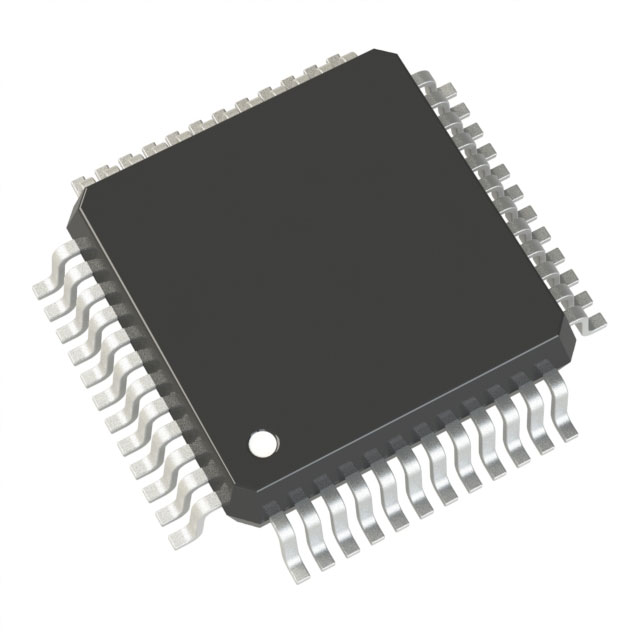
Deciding on the right embedded chip for an application can be tricky. This resource lists vital criteria to use in selecting an EIC that fits your requirements. Establishing the specific demands of your design is key to choosing the right embedded IC. Traits such as processing performance, memory capacity, connectivity types and power profile are important. Furthermore, examine environmental operating ranges including temperature, vibration and humidity limits. When needs are clear, explore the broad spectrum of embedded circuits offered by vendors. Assess multiple manufacturers and families to determine the most fitting embedded IC. Remember, selecting the right EIC is an investment that can have a profound impact on the success of your project.
Silicon Strategy: Managing Embedded IC Complexity
These integrated chips make up the foundation of numerous items, including popular phones and advanced healthcare equipment. These small powerful elements merge multiple functions on an integrated die, supporting seamless operation. Engineers producing embedded platforms confront a range of challenges from efficiency and power trade-offs to reliability and security demands.
IoT Momentum: Components Fueling Connectivity
The Internet of Things changes our world at remarkable speed. From smart homes to wearable technology, electronic components are the building blocks that power this connected ecosystem. Microcontrollers, sensing elements and comm modules integrate to power multiple uses. Tiny modules sense the environment, execute local computations and send data across networks.
With ongoing IoT growth, appetite for advanced components will escalate. This SPH0644HM4H-1-8 ushers in large potential for inventive solutions and industry growth. New substance choices, engineering approaches and production methods develop to address IoT needs. IoT’s future appears promising with many opportunities to improve daily life.
Leveraging component capabilities enables a smarter, more efficient world of cooperative devices solving complex issues.
Sustainable Electronics: Procurement Practices for a Greener Future
Within the fast-changing tech world, electronics demand keeps rising. However, increased production carries notable environmental burdens. Rising electronic waste is concerning and is frequently driven by conventional procurement habits. To limit these harms, businesses ought to embrace procurement practices focused on environmental stewardship.
- Partner with manufacturers who prioritize sustainable and ethical manufacturing. Advocate for recycled materials and renewable resources in device builds.
- Choose electronics with long life and reparable architecture to minimize e-waste.
- Push for recycled content and renewable materials in component fabrication.
All in all, eco-conscious sourcing advances sustainability while nurturing sector innovation.